


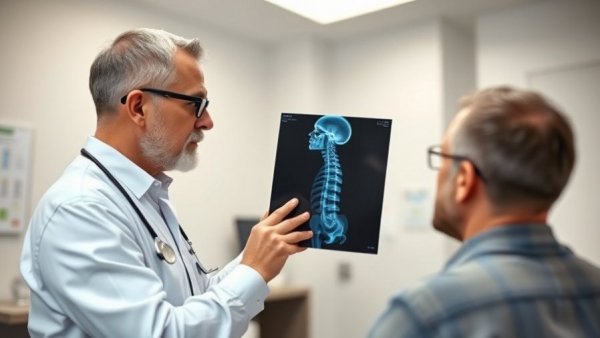
Exploring the Role of Spinal Radiographs in Chiropractic Care
A recent randomized controlled pilot study in Sydney has sparked important discussions regarding the use of spinal radiographs in chiropractic clinical practice. Historically, chiropractors have relied on imaging to guide treatments, especially for patients presenting with back pain. However, there's growing evidence that routine imaging may not enhance patient outcomes, particularly for non-specific spinal issues.
The Study's Goal: Understanding Acceptance Among Chiropractors and Patients
Led by Hazel J. Jenkins, the pilot study aimed to evaluate the feasibility of conducting more extensive trials to assess whether spinal radiographs really improve treatment results. The study focused on teaching chiropractors about clinical equipoise—balancing the use of imaging against potential risks such as unnecessary radiation exposure and economic costs of overdiagnosis. Despite guidelines recommending against routine imaging when no serious conditions are suspected, participation varied significantly amongst chiropractors.
Recruiting Participants Wisely
Chiropractors who utilized varying imaging practices between 20% and 80% for their patients were selected for the study, ensuring that their perspectives reflected a genuine clinical equipoise. While 40 clinicians were screened, only 11 progressed to participate after thorough training. This careful selection process highlights the importance of balanced representation in clinical trials.
Patient Recruitment Process
As part of the study, patient recruitment was targeted towards adults experiencing new episodes of spinal pain. To ensure safety and relevancy, strict criteria were applied to identify eligible individuals without certain risks such as recent imaging or serious underlying conditions. Patients allocated to undergo radiography were to receive their imaging referrals promptly, supporting swift action for those who may need immediate care.
This pilot study serves as a crucial step towards understanding the complexities of spinal care. By assessing how practitioners and patients navigate potential risks versus benefits of imaging, we can slowly foster more informed decisions within chiropractic practice in Australia and beyond.







Write A Comment